- Kelp forests grow along over a quarter of the world's coastlines and constitute one of the planet's most biodiverse ecosystems. However, these crucial habitats are disappearing due to ocean warming and other human-induced impacts.
- The recent sudden disappearances of vast kelp forests along the coasts of Tasmania and California have highlighted how little we know about protecting or restoring these essential marine ecosystems.
- Scientists are looking for new ways to help kelp recover, but promising small-scale successes need to be scaled up significantly to cope with massive kelp losses in some regions.
- Global interest in studying kelp for food, carbon storage, and other uses may help improve methods for reintroducing kelp into the wild.
Hidden underwater, kelp forests grow along over a quarter of the world's coastlines, fostering a biodiversity so rich that naturalist Charles Darwin believed it rivaled tropical rainforests. Equally invisibly, these critical habitats are disappearing due to warming ocean currents, pollution, overharvesting, and other human-induced impacts.
While knowledge has been gained through kelp cultivation in Pacific Rim countries over the centuries, the regional decline of kelp forests and recent sudden disappearances from large areas where they once thrived have highlighted how little conservationists know about protecting or restoring these crucial underwater forests, says Karen Filbee-Dexter, a marine ecologist at the University of Western Australia who studies the impacts of climate change on kelp.
“Kelp forests are understudied and understudied compared to other coastal ecosystems,” says Filbee-Dexter. “We need to understand them better. They are one of the largest plant habitats for marine species on Earth, and the data clearly show that they are changing very rapidly.”
The first wake-up calls for researchers were the marine heatwaves that suddenly devastated entire kelp forests along the coast of Tasmania in 2011 and Northern California in 2014. When the kelp's towering thalli and blades disappeared, so did many of the marine species they supported. With the disappearance of fish, abalone, and lobster, multi-million-dollar commercial fisheries were forced to close. Furthermore, the loss of vast kelp forests reduces the protection afforded to coastal communities from storm surges and eliminates a key carbon sink. Scientists estimate that the world's kelp forests store between 61 and 268 teragrams (or 61 to 268 megatons) of carbon annually.
The good news is that scientists are finding ways to successfully reintroduce algae. However, these newly discovered methodologies must be significantly (and rapidly) developed to compensate for the massive losses that have occurred in some regions, such as Australia, Norway, Nova Scotia (Canada), and California (United States).
The challenges of scientific management of kelp
Kelp has been in the news lately due to its remarkable carbon sequestration potential. So far, most attention has focused on cultured kelp, but regardless of whether it's wild or cultivated, what scientists are discovering could help all types of kelp thrive in a world experiencing rapid climate change.
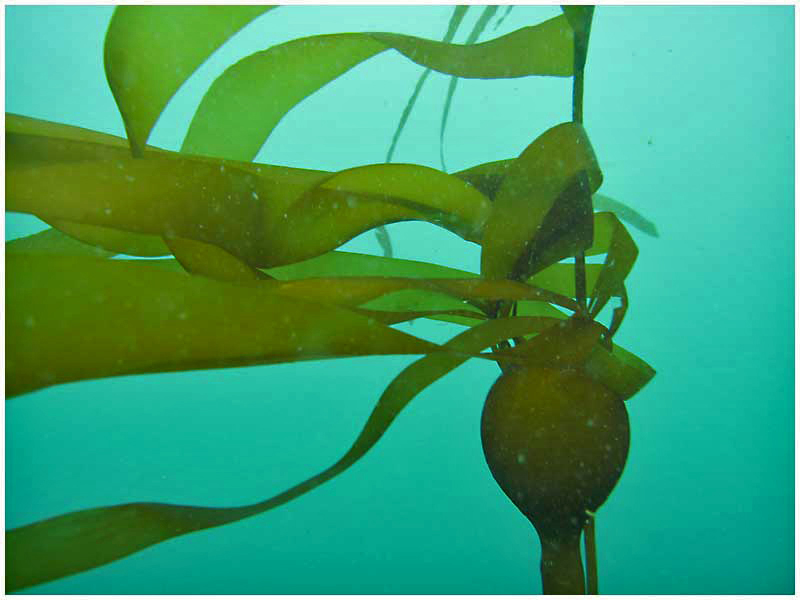
There are over 100 species of kelp (large brown algae that live in deep, cold waters around the world), but most studies have so far focused on just two varieties: the endangered giant kelp (Macrocystis pyrifera ) and the black kelp ( Nereocystis luetkeana ). These dense underwater forests can grow rapidly to heights of up to 40 meters, creating a complex habitat that extends from the seabed to the surface.
Some of the underlying causes of forest decline are clear. Currents that warm the oceans and marine heatwaves, for example, push kelp, which typically live in cold waters, outside their physiological comfort zone if water temperatures exceed 20°C, in which case they die. Coastal development, pollution, and sedimentation, which worsen water quality, increase the challenges to their survival. However, it's not always clear why stressed kelp disappears in some places but thrives in others.
This is partly due to the challenges of studying these forests. Often, they can even be difficult to find. In the past, kelp forests were spotted from ships, small aircraft, and satellites. However, these methods don't provide much data. Only the canopy-forming kelp is visible from the water's surface, and although giant kelp is perennial, the black kelp dies off in the winter and reappears in the summer, making them difficult to locate. Kelp can also move: severe storms can eradicate entire forests overnight.
Accurate maps are essential for better management of these forests, as they provide early warning of declining forests and a vital baseline for monitoring recovery and restoration projects, says postdoctoral researcher Sara Hamilton, who works for the University of California, Davis. Without a true assessment of the situation, it's also difficult to sustainably regulate the commercial harvesting of wild kelp.

Worldwide, over one million tons of kelp is harvested annually, according to 2019 data from the Food and Agriculture Organization of the United Nations . Much of this, about 40%, is harvested off the coast of Chile, with wild brown seaweed marketed for various purposes, including biotechnology and food production, as well as pharmaceuticals and textiles.
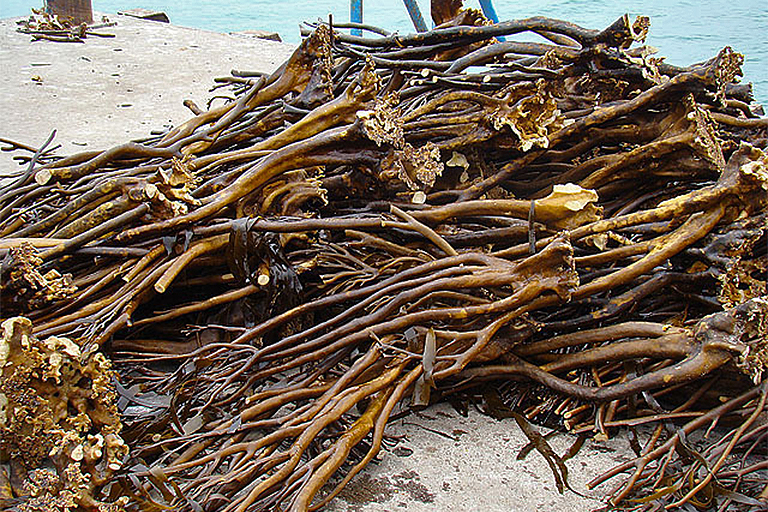
Countries that regulate kelp harvesting often set annual maximum amounts of biomass that can be harvested, but regulations can also pose challenges. When Hamilton analyzed kelp harvest management in Chile, California, and British Columbia, Canada, he found that the lack of a regularly updated kelp inventory in all three areas constitutes a "significant obstacle" to effective management.
“There is some excellent research in the literature on the life of kelp forests, but we need to go a step further and gain scientific understanding of how we can effectively manage them,” Hamilton says.
For example, in Chile, kelp harvesting is governed by a complex set of management systems, including marine protected areas where harvesting is prohibited—exclusive access areas controlled by local fishing consortia—and unprotected, open-access areas. Monitoring kelp between harvests may not always be accurate, Hamilton notes.
Furthermore, scientists don't know exactly how much kelp can be harvested before the forests are too weakened to regenerate. Although the amount of kelp harvested in California and British Columbia is much lower than in Chile, Hamilton says that regulators in those areas rely on self-reports for commercial harvesting, which can be unreliable, and only loosely track recreational harvesting (which creates significant data gaps) for personal use.
Similar to Hamilton's analysis, in the United States, the California Department of Fish and Wildlife published a 2022 report on improving the status of black kelp and giant kelp, including recommendations for closer monitoring and a better understanding of the impacts of harvesting activities as well as the roles of top predators in kelp forests. Similar environmental concerns have led to a new law in Washington State (United States) aimed at protecting and restoring approximately 4,000 hectares of black kelp forests and seagrass beds by 2040.
Challenges to algae reintroduction
One thing scientists are certain of is that it's better to protect kelp forests than to try to restore them. Too often, legislative initiatives come too late, after kelp forests have disappeared or suffered significant declines.
Kelp had already been decimated by marine heatwaves along 100 kilometers of Tasmania's coast before the Australian government declared giant kelp forests an endangered ecological community in 2012. Furthermore, this year, trawling was banned along part of the Sussex coast in the United Kingdom only after fishing activities destroyed once-thriving kelp beds and depleted commercial fish species.
Strategic changes at the regional and local levels can mitigate the effects of overharvesting of wild kelp, pollution, coastal urban development, sedimentation, and unsustainable fishing practices, but they cannot cool warming oceans.
“Kelp forests are very dynamic, productive, and complex ecosystems,” says Cayne Layton, a marine ecologist based at the University of Tasmania in Hobart, Australia. “Trying to reproduce them is quite challenging.”
Restoration projects have historically relied on artificial reefs, constructed from everything from concrete blocks to used tires and decommissioned drilling platforms, to provide a surface for kelp to anchor. Wheeler North Reef , one of the world's largest artificial reefs, spanning 152 hectares, was constructed from quarried rock to mitigate the loss of kelp forests and marine species caused by warming waters off the coast of San Clemente, Southern California, caused by runoff from the San Onofre nuclear power plant. Begun in 1998 and completed in 2021, the reef is now considered a success in kelp reintroduction.
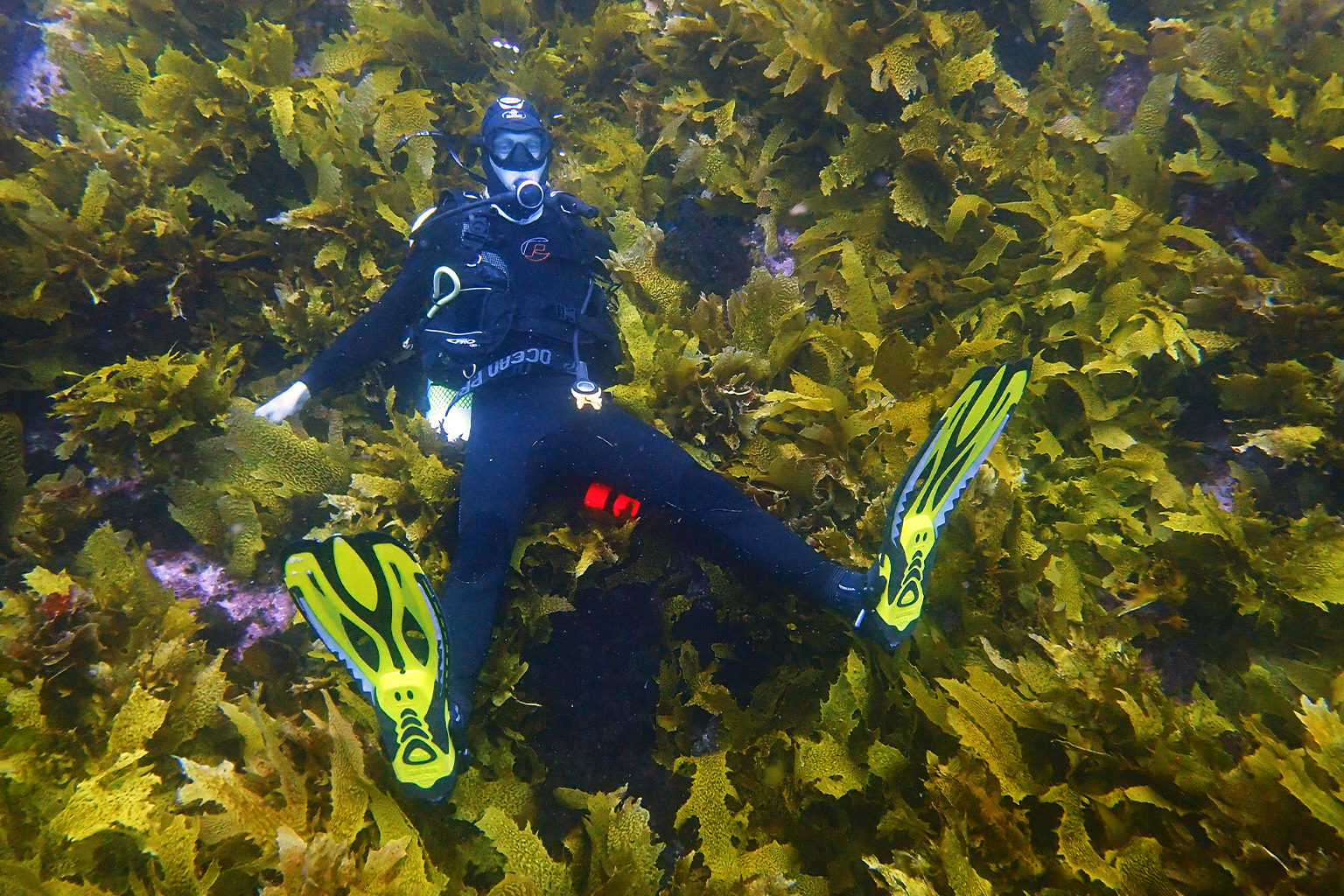
Along Tasmania's east coast (a hotspot where seawater is warming faster than the global average), Layton and Professor Craig Johnson of the University of Tasmania's Institute for Marine and Arctic Studies are focusing their reintroduction efforts on the kelp forests' ability to withstand future challenges. They are "planting" newborn giant kelp, bred from seaweeds that are more tolerant of warmer waters. "This isn't genetic manipulation," Layton notes. "We're just identifying the giant kelp species that are naturally best able to tolerate [temperature changes]."
Of the more than 50 genotypes they've tested so far, between 10 and 15 percent can survive in waters up to seven degrees warmer than the 60-63°F (16-17°C) waters where kelp typically lives. "It's quite surprising that some actually survive up to the maximum temperature recorded for giant kelp," he says.
Researchers began planting these "super kelps" over 18 months ago in three separate plots of 100 square meters each. Culturing thousands of tiny algae, each about a millimeter in size, in the laboratory, then anchoring them to small plastic plates, and finally diving to attach the plates to the reef rock, however, is a labor-intensive process.
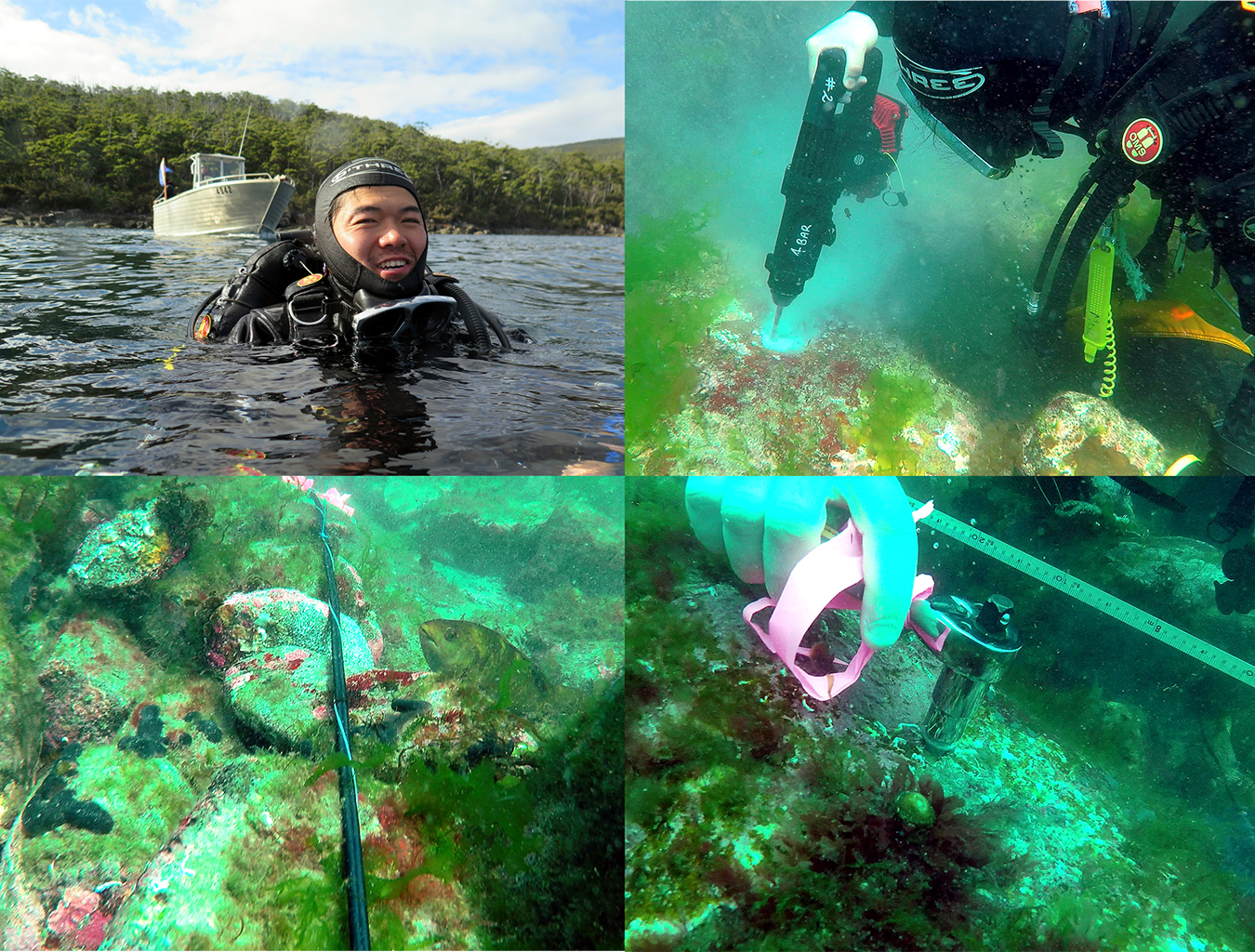
The researchers' goal is to grow approximately one adult kelp per square meter (similar to what happens in Tasmania's natural giant kelp forests). Since 2020, about 50 adult specimens, reaching 12 meters in height, have survived in two of the three areas. Layton hopes these adult specimens will begin to vigorously produce young kelp plants naturally.
Thousands of miles away in the United States, at the University of Washington’s Friday Harbor Laboratories, postdoctoral researcher Brooke Weigel is conducting studies on the temperature and nitrate sensitivity of black sea snail populations living in the Puget Sound.
Although most of these seagrass beds in the sound re-formed after the 2014 marine heatwave that hit the West Coast of the United States, the black seagrass beds found in the southern Puget Sound have undergone significant, ongoing declines, according to environmentalists . "These are all indications of environmental factors that could be contributing to these declines," Weigel says, but these indications "have been poorly tested in laboratory experiments."
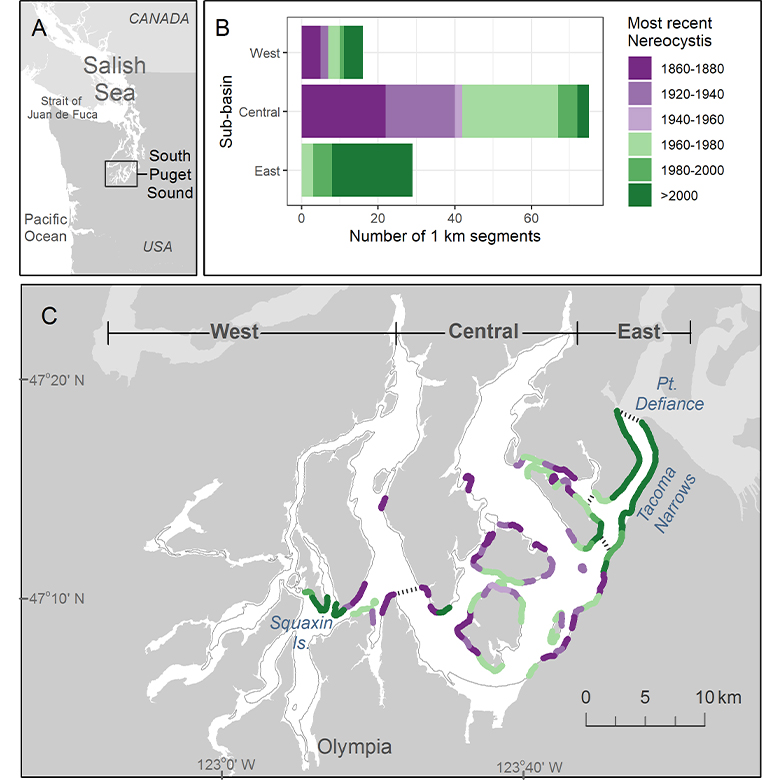
Map based on publicly available data from the Washington Department of Natural Resources (CC by 4.0).
Weigel is now starting the second phase of laboratory cultivation of microscopic neurocysts (known as gametophytes) at various temperatures. He has found that the gametophytes can surprisingly survive temperatures up to 20°C (typically lethal for adult kelp). Above 16°C, however, the gametophytes cannot be successfully fertilized to produce sporophytes that give rise to towering forests.
"It's a pretty clear cutoff," he says. Conservationists "need to know if there are [temperature] thresholds for kelp survival and reproduction when they're choosing sites for kelp forest restoration."
It's still unclear what allows some algae to survive at higher temperatures. In previous research, Weigel has looked for clues in the microbiome, studying the bacteria present in the mucilage layer that covers the kelp's laminae. Layton is also trying to solve the mystery of temperature resilience by analyzing the metabolism and physiology of kelp: is resilience to temperature changes determined by changes in cell membranes? Or in the process of photosynthesis?
“It’s probably a combination of several factors,” he observes.
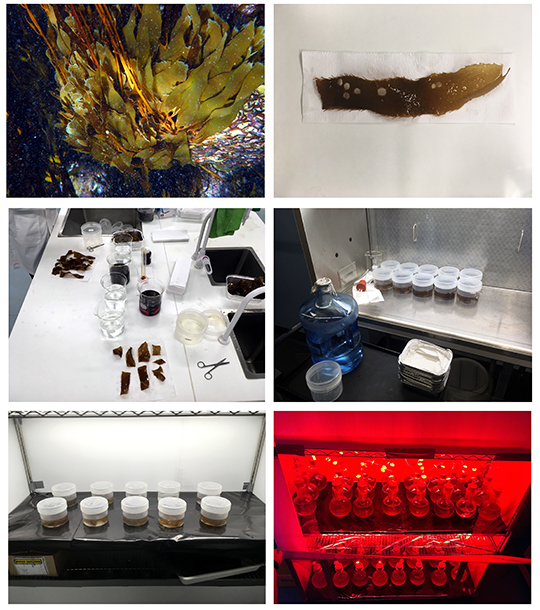
The answers may lie in the genetic makeup of black kelp, says population geneticist Filipe Alberto of the University of Wisconsin-Milwaukee. In his "kelp forensics lab," Alberto analyzes the DNA of kelp collected in the Pacific Northwest. In collaboration with the Puget Sound Restoration Fund, he is trying to understand how genetically diverse the populations are, whether they are related, and whether variations are associated with colder or warmer waters. Alberto is also establishing a black kelp seed bank to preserve regional genetic diversity. Instead of seeds, Alberto preserves the gametophytes by keeping them dormant in a temperature-controlled environment with reduced exposure to light.
"We may never be able to reintroduce this variety to the places it came from," says Alberto. However, if the gametophytes aren't conserved now, it will be impossible to reintroduce this variety if kelp disappears.
Alberto and his collaborators at the University of California, Santa Cruz, and the California Conservation Genomics Project hope to soon complete the sequencing of the kelp genome. This reference genome will provide a resource for scientists searching for genetic variations that could help kelp weather future environmental changes.
Post a Comment